LoginRegister
  • Login
  • Register

Sections

  • Home
  • Conservation
  • Corn
  • Crop Chemicals
  • Energy
  • Equipment
  • Fertilizer
  • Issues
  • Marketing
  • Precision Ag
  • Seed
  • Soybeans
  • Tillage
Advertisement
  • 5 Corn, Soybean Pests to Scout For Early

    Regular field scouting for corn and soybean insects, pests and diseases helps growers improve crop performance each year.
  • Improve Soil Health to Reduce Erosion

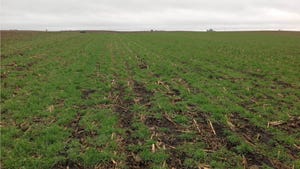
    From drought to flood conditions, it seems there is no longer a “normal” growing season for Iowa farmers. A year of drought in 2012 was followed by a cool, wet spring this year. These types of weather extremes can be very damaging to Iowa’s soils, but conservationists are finding that farmers who apply soil health practices like cover crops are the least affected.
  • Evaluate Early-Season Corn Stands

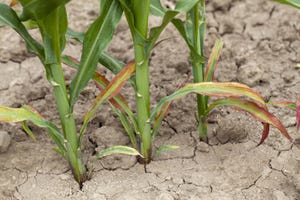
    Corn can face many different stresses capable of reducing stands, such as cold or wet soils, insect feeding and unfavorable weather conditions. In severe cases of stand reduction, growers will need to determine if replanting will be more profitable than keeping the current crop.
  • Troubleshoot Corn Emergence Problems

    Troubleshooting emergence problems early is critical in identifying solutions and developing successful replant plans, if needed. Here's a list of a few common things to look for if you encounter an emergence problem in corn this spring.
  • Nitrogen Carryover Unlikely After Wet Winter, Spring

    Extra nitrogen left in the soil after drought reduced corn yields last year has likely been lost with excess soil moisture in the winter and spring, says Jim Camberato, a Purdue Extension agronomist. Most leftover N was in the form of nitrate, which is easily lost with soil moisture and to the air.
‹ ›
Article May 24, 2013

ACRE Program Sign-Up Deadline Approaching

Corn and soybean growers have until June 3 to decide whether they will participate in the Average Crop Revenue Election (ACRE) plan or continue with the regular Direct and Counter-Cyclical Payment Program. Both programs, administered by the U.S. Department of Agriculture's Farm Service Agency, are intended to help protect farm revenues.
Gallery May 24, 2013

5 Corn, Soybean Pests to Scout For Early

Regular field scouting for corn and soybean insects, pests and diseases helps growers improve crop performance each year.
Article May 22, 2013

Improve Soil Health to Reduce Erosion

From drought to flood conditions, it seems there is no longer a “normal” growing season for Iowa farmers. A year of drought in 2012 was followed by a cool, wet spring this year. These types of weather extremes can be very damaging to Iowa’s soils, but conservationists are finding that farmers who apply soil health practices like cover crops are the least affected.
Article May 22, 2013

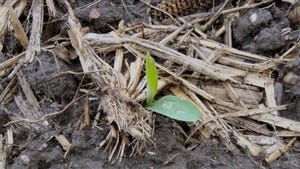
Evaluate Early-Season Corn Stands

Corn can face many different stresses capable of reducing stands, such as cold or wet soils, insect feeding and unfavorable weather conditions. In severe cases of stand reduction, growers will need to determine if replanting will be more profitable than keeping the current crop.
Advertisement
Blog Entry May 21, 2013

Corn Planting Progress Mixed

If you ask someone, “How much corn is planted, or how much spring fieldwork has occurred in your area?” the response is likely to be quite different. A major snowfall event in early May, followed by frequent rainfall events throughout most of May, in the eastern half of southern Minnesota, as well as areas of northern Iowa, has caused significant delays in corn planting.
Blog Entry May 21, 2013

Perspectives on U.S. Farm Debt

There is considerable discussion among agricultural economists and lenders concerning the status and trends of U.S. farm debt. Let’s dig deeper into the subject and provide perspective.
Blog Entry May 21, 2013

Farmers’ Share of Losses

With the farm bill in what could be the final stages before vote, there’s still some talk of cutting crop insurance subsidies. This led Tom Zacharias, president of National Crop Insurance Services to point out that before farmers received a dime in crop insurance indemnity payments, they had shouldered $12.7 billion in losses as part of their deductibles to crop insurance policies. In addition, the premiums paid by farmers totaled $4.1 billion – bringing their share of the disaster to $16.8 billion.
nitrogen carryover in corn unlikely
Article May 21, 2013

Nitrogen Carryover Unlikely After Wet Winter, Spring

Extra nitrogen left in the soil after drought reduced corn yields last year has likely been lost with excess soil moisture in the winter and spring, says Jim Camberato, a Purdue Extension agronomist. Most leftover N was in the form of nitrate, which is easily lost with soil moisture and to the air.
Advertisement
Article May 21, 2013

Troubleshoot Corn Emergence Problems

Troubleshooting emergence problems early is critical in identifying solutions and developing successful replant plans, if needed. Here's a list of a few common things to look for if you encounter an emergence problem in corn this spring.
Blog Entry May 20, 2013

Soybeans Are Down But Not Out Yet!

South American supplies will NOT be able to help overall shortages in both U.S. corn and soybeans.
waterhemp growing in field.
Article May 20, 2013

Control Emerged Waterhemp Before Planting Soybeans

The increasing prevalence of waterhemp plants and populations that demonstrate resistance to herbicides from more than one site-of-action family increases the importance of controlling any emerged waterhemp plants before planting.
Blog Entry May 16, 2013

How Do You Define Success?

Some define success as the long-term succession of your kids at the farm. Albert Schweitzer defined success as loving what you do. How you treat others, from family to strangers, is Barbara Bush's definition of success.
Advertisement
Gallery May 16, 2013

May 14 USDA Weekly Weather Update

During the second half of the week, a new weather system swept across the Midwest, South and East, producing additional showers and closing a brief window of opportunity for fieldwork. Mid- to late-week rainfall was not especially heavy, although many parts of the Corn Belt received in excess of an inch. Farther west, dry weather prevailed across the northern Plains and far Upper Midwest, promoting an acceleration of spring wheat planting and other fieldwork.
Article May 16, 2013

House Ag Committee Approves Farm Bill 


Chairman Frank Lucas (R-OK) and Ranking Member Collin Peterson (D-MN) issued the following statements after the House Agriculture Committee approved the farm bill, H.R. 1947, the Federal Agriculture Reform and Risk Management (FARRM) Act of 2013, by a large, bipartisan vote of 36-10. Committee members also adopted, by voice vote, an en bloc amendment.
buffer and wildlife habitat in Iowa with terraces, pond, conservation tillage
Article May 15, 2013

2013 General Conservation Reserve Program Sign-Up Starts May 20

Secretary of Agriculture Tom Vilsack reminds farmers and ranchers that the USDA will conduct a four-week Conservation Reserve Program (CRP) general sign-up from May 20 to June 14. Vilsack also announces the restart of sign-up for continuous CRP, including the Conservation Reserve Enhancement Program, State Acres for Wildlife Enhancement Initiative, the Highly Erodible Land Initiative, the Grassland Restoration Initiative, the Pollinator Habitat Initiative and other related initiatives. Sign-up for continuous CRP began on May 13 and will continue through Sept. 30, 2013.

Search

Mobile Content Footer

  • Latest News
  • Categories
  • Hot Topics
  • More Information

Mobile Footer

  • Homepage
  • Privacy Policy
  • Terms of Use
  • View Full Site
Copyright © 2013 Penton Media, Inc